
Understanding Click Attribution, Incrementality, and Marketing Mix Modeling for Digital Marketing Analysis

Digital marketing offers many ways to reach customers. But measuring what works can be tricky.
Marketers often ask: Which channel drives the most sales? Is our campaign truly making a difference? Should we spend more on Search or Social?
There’s no single method that answers all these questions. Instead, there are three main approaches to measuring impact of your digital marketing efforts:
- Click Attribution
- Incrementality Testing
- Marketing Mix Modeling (MMM)
Each method has its strengths and weaknesses. In this post, we’ll look at how they work, how they differ, and why using all three together gives the best results.
Click Attribution
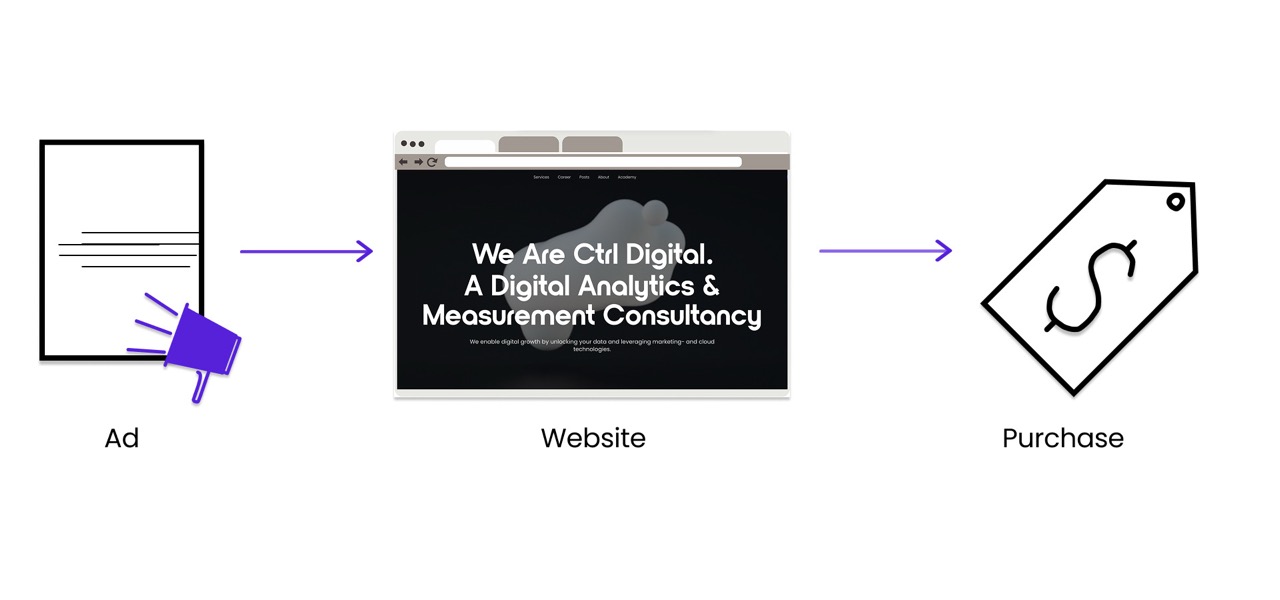
Click attribution assigns credit to marketing channels based on user clicks. For example, if someone clicks a Facebook ad and later buys something, Facebook gets the credit.
Common Types of Click Attributions
- Last click: Gives all credit to the final click before the conversion.
- First click: Gives all credit to the first interaction.
- Linear or time decay: Shares credit between clicks.
Pros with Click Attribution
- Easy to set up using tools like Google Analytics or Meta Ads Manager
- Offers fast insights and real-time tracking
- Good for understanding individual user journeys
Cons with Click Attribution
- Misses the bigger picture. Some channels (like display or video) may influence decisions without getting clicked
- Often overvalues channels with lots of last-clicks, like branded search
- Doesn’t show if a sale would’ve happened anyway
Incrementality Testing

Incrementality Testing measures the true lift caused by a marketing activity. It compares a group that sees the ad to a group that doesn’t (a holdout group) to see if there’s a difference in behavior.
For example your could run ads in one city and not in another, then compare the results.
Pros with Incrementality Testing
- Shows the actual effect of the campaign
- Helps avoid wasting budget on ads that don’t change user behavior
- Works well for testing new channels or strategies
Cons with Incrementality Testing
- Requires careful design (like randomization or geo-splits)
- Results take time to collect and analyze
- Harder to apply to always-on or small campaigns
Marketing Mix Modeling (MMM)
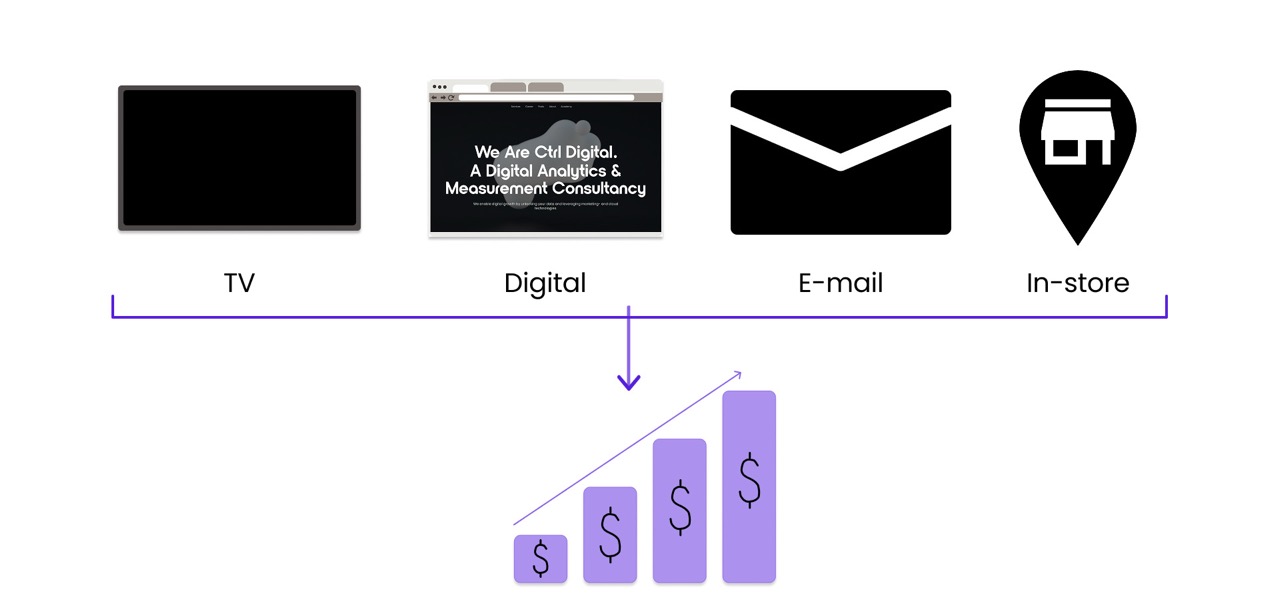
Marketing Mix Modelling looks at past data to understand what drives sales or conversions. It takes all your activities. like ads, price changes, promotions, seasonality, and external factors. and measures how much each one contributes.
It uses statistical models to separate what would have happened anyway from what happened because of marketing. This helps you see the real impact of each channel and where to invest more or less.
Pros with Marketing Mix Modelling
- Covers both online and offline media such as TV, radio and print
- Doesn’t rely on user tracking or cookies
- Helps with long-term planning and budget allocation
Cons with Marketing Mix Modelling
- Needs historical data, usually at least 2 years
- Not very detailed (can’t show user-level behavior)
- Results can vary based on model quality and data accuracy
Final Thoughts: Use All Three for Marketing Analysis
These methods aren’t in competition, they each give different answers to different questions.
Click Attribution — Day-to-day optimizations
Incrementality — Testing if something works
Marketing Mix Modelling — Long-term strategy and planning
Together, they form a complete view. Click attribution helps with quick decisions. Incrementality testing shows what’s truly driving results. MMM helps guide big-picture investment.
Every company should aim to use all three. Start simple, build up over time, and make sure you’re measuring what really matters.
At Ctrl Digital we help clients every day to understand attribution and make sense of their marketing data. If you want guidance or need a clearer way to measure impact, reach out at [email protected] and we can tell you more.